Supporting vulnerable communities in La Paz, Bolivia – A long lasting commitment
Bolivia • 6 months • Fundacion Munasim Kullakita
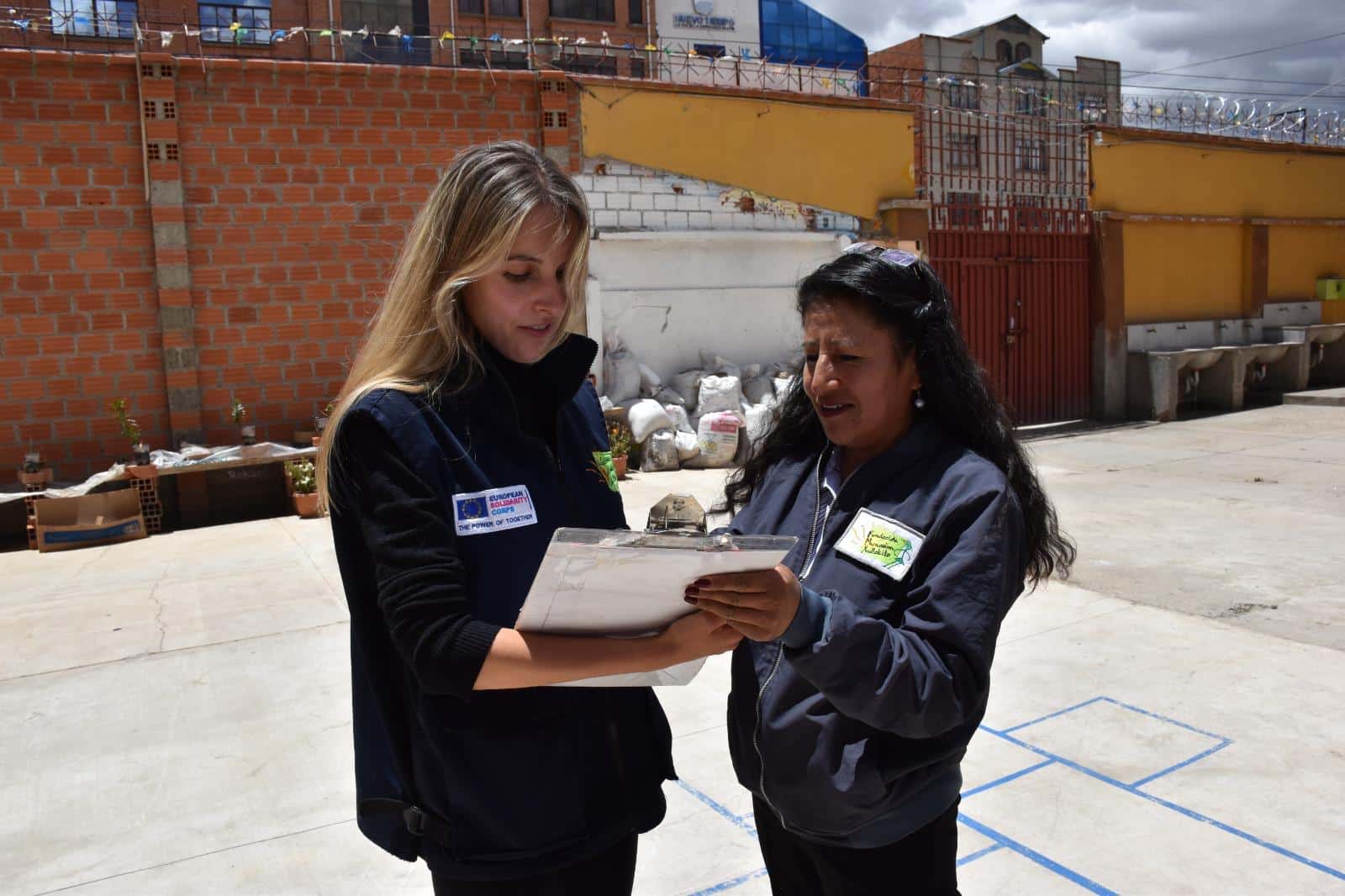
My name is Beatriz, and I come from a small town in northern Spain. At the age of 18, I chose social work as my career, and since then I have continued to grow and enrich my life through the experiences it has offered me. My placement in Bolivia is one such adventure!
Driven by my commitment to gender equality, I chose to go to Bolivia — specifically to La Paz — to work as a volunteer with a local organisation that supports girls and teenage girls who have been trafficked for sexual exploitation and related crimes. There, they are offered a real opportunity to rebuild their lives, with the support of the staff.
As a member of the team, my volunteering experience took place at the Foyer Trampolín, where the girls live until they can, ideally, be reintegrated into their families. Some of my responsibilities included carrying out social assessments upon their arrival at the centre, preparing social reports, obtaining identity documents for the girls, coordinating healthcare for the teenage girls, and conducting home visits to assess whether their relatives could serve as positive role models for them.
How did you find and choose this mission? What were you expecting before you arrived on site?
In my case, choosing the organisation was relatively easy. I knew I wanted to work in the field of gender equality, and that’s when Munasim came up on the European Solidarity Corps website. Their work aligned perfectly with my values and the kind of contribution I wanted to make. So I sent off my application, and a few days later I had an online interview with ADICE, who shortlisted me, followed by the final interview with the manager at Munasim.
As for my expectations, I already had some professional experience in this field, so I wanted to make sure that the work I was going to do matched what I was looking for. If I had to give one piece of advice, it would be this: as a participant, ask all the necessary questions before you set off. In my case, I needed to be certain that my role would be in the field of social work and, above all, that I would be given a significant level of responsibility. My motivation for taking part in this mobility programme and joining this project was to deepen my understanding of my discipline in a different context and to learn how the profession is shaped and practised in another country.
What was a typical day like during your mission ? What were your roles and responsabilities ? How did you work with the local team and the beneficiaries ?
Once I was there, my experience gradually improved. During the first few weeks and months, my responsibilities were limited and focused mainly on getting to know and building relationships with the team, as well as with the girls and teenagers at the centre. For someone who already had previous professional experience, this wasn’t enough for me at first. However, as the days went by, the team began to trust me more as they got to know me through our day-to-day work, gradually delegating greater responsibilities to me. Over the months, I went from asking every day how I could help to simply turning up at work and getting straight on with my responsibilities and tasks. A typical day for me in Bolivia might start with leaving home at 8 am to arrive at the centre at 9 am (yes, La Paz has terrible traffic, so that was part of the experience too). Once there, we’d start with the debriefing session, where the team would catch up on what needed to be done that day and that week, and organise our tasks.
After that, if a new girl had arrived, I’d conduct her social assessment interview and get to know her, then use the information gathered to prepare her admission report to be sent to the relevant court. After finishing the report, I sometimes had medical appointments scheduled with some of the girls, so we would go to the health centre, and after the consultation, we would arrange follow-up appointments for the following week. On returning to the Foyer, I would take my lunch break and rest. On a typical day, after lunch, I might take part in an activity with the girls or supervise a visit from a family member who had come to see one of them until 4.00 pm, at which point my working day ended and I had my free time.
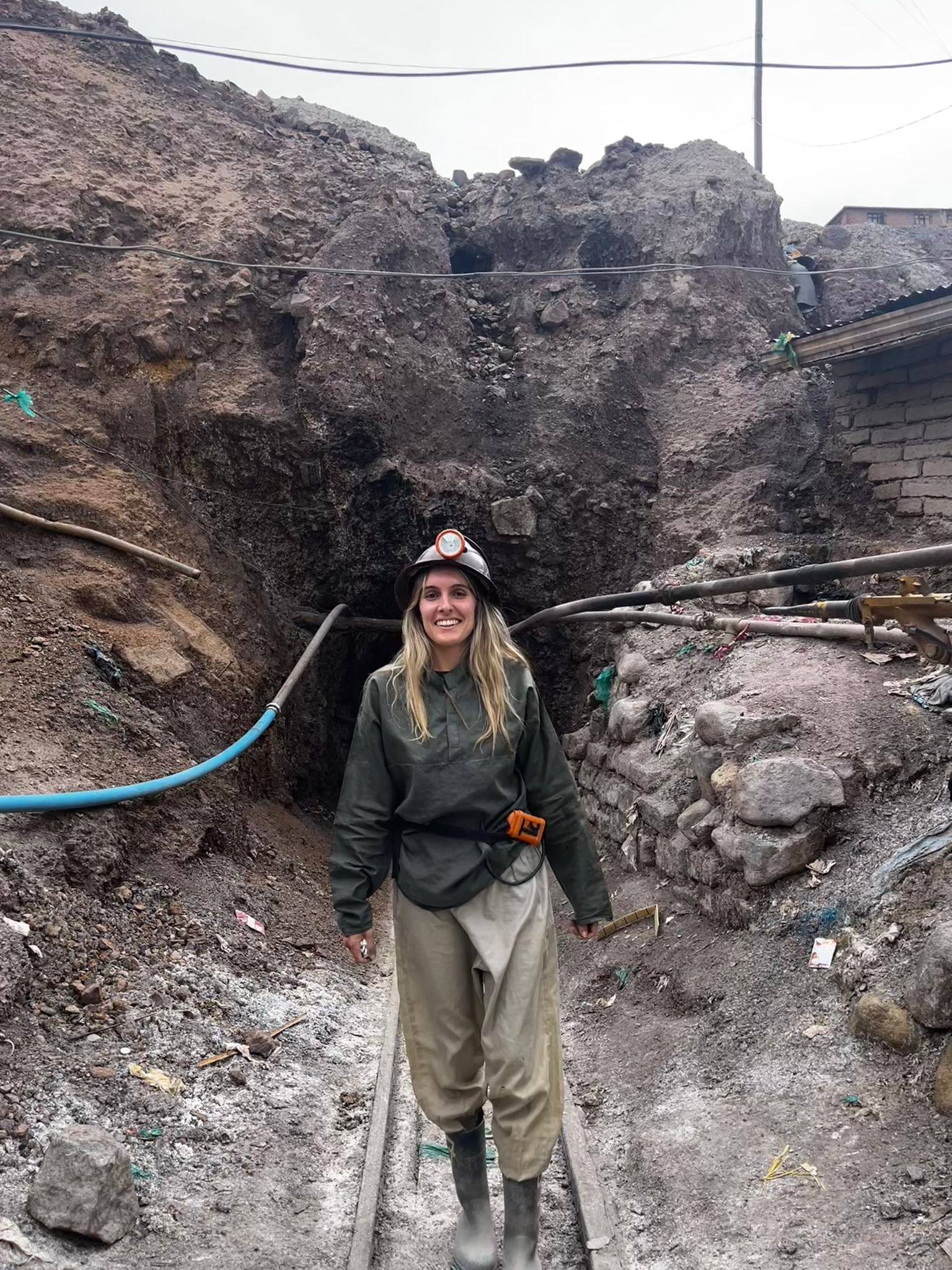
Was there a time when you had to adapt to an unexpected situation? Was there a cultural difference or way of working that made a particular impression on you?
For me, the way the work was organised and planned was something I really had to adapt to. Because of my personality and the contexts in which I’d worked previously, I function best in structured environments where time is set aside for planning. However, in my day-to-day tasks during my assignment, partly because of the nature of the work I was doing, there wasn’t always clear planning or advance notice. This meant that I also had to constantly adapt to changes that arose during the day or were communicated to me whilst I was in the middle of a task. I would therefore say that, in my daily routine, I had to constantly adjust to changes in dates, timetables or plans.
What did this placement teach you about this field or this country?
Firstly, my project gave me the opportunity to learn about the issue of sexual violence faced by many girls and teenage girls in Bolivia, as well as its scale, which surprised me enormously. But focusing on the more positive side of my placement, thanks to the social workers and other people I met during my time in Bolivia, I was able to connect more deeply with the concept of care and to realise just how much, in more individualistic Western societies, this sense of community support is increasingly being lost. In Bolivia, despite the extreme life experiences many people have faced, the reality is that there is always someone ready to help and to bear the pain of others. And that is exactly what we were doing at the Foyer.
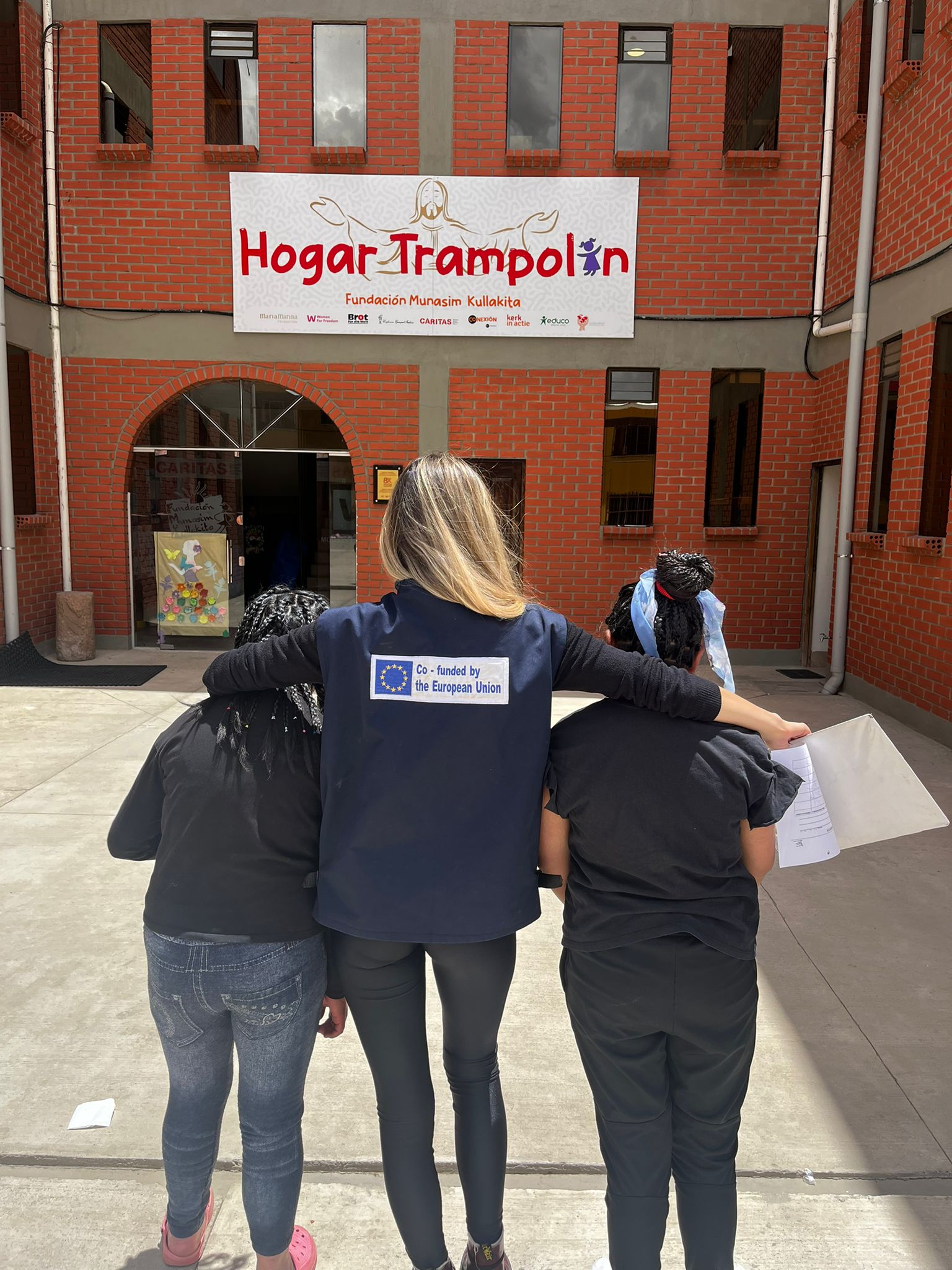
Any advice on how to prepare properly before setting off?
If I had to give one piece of advice to other volunteers preparing for their placement, I’d tell them to be flexible, to adapt to their surroundings, and to approach it with humility, without expecting anything in return. I believe that approaching the reality of the situation without expectations (or at least without very high expectations) will allow them to enjoy the experience and be surprised by what they encounter. And most importantly: don’t over-plan, because everything will turn out differently from what you imagined.
How did the preparation with ADICE go before you left?
Honestly, I think the preparation with ADICE was excellent, as they put us in situations which, fortunately, I didn’t have to face, but which certainly prepared me to know how to act or react in almost any situation. This helped me feel calmer and more at ease when it came time to set off on my mission.